The history of Sightsavers in Kenya
Learn how our work has transformed lives across the country in the past 70 years


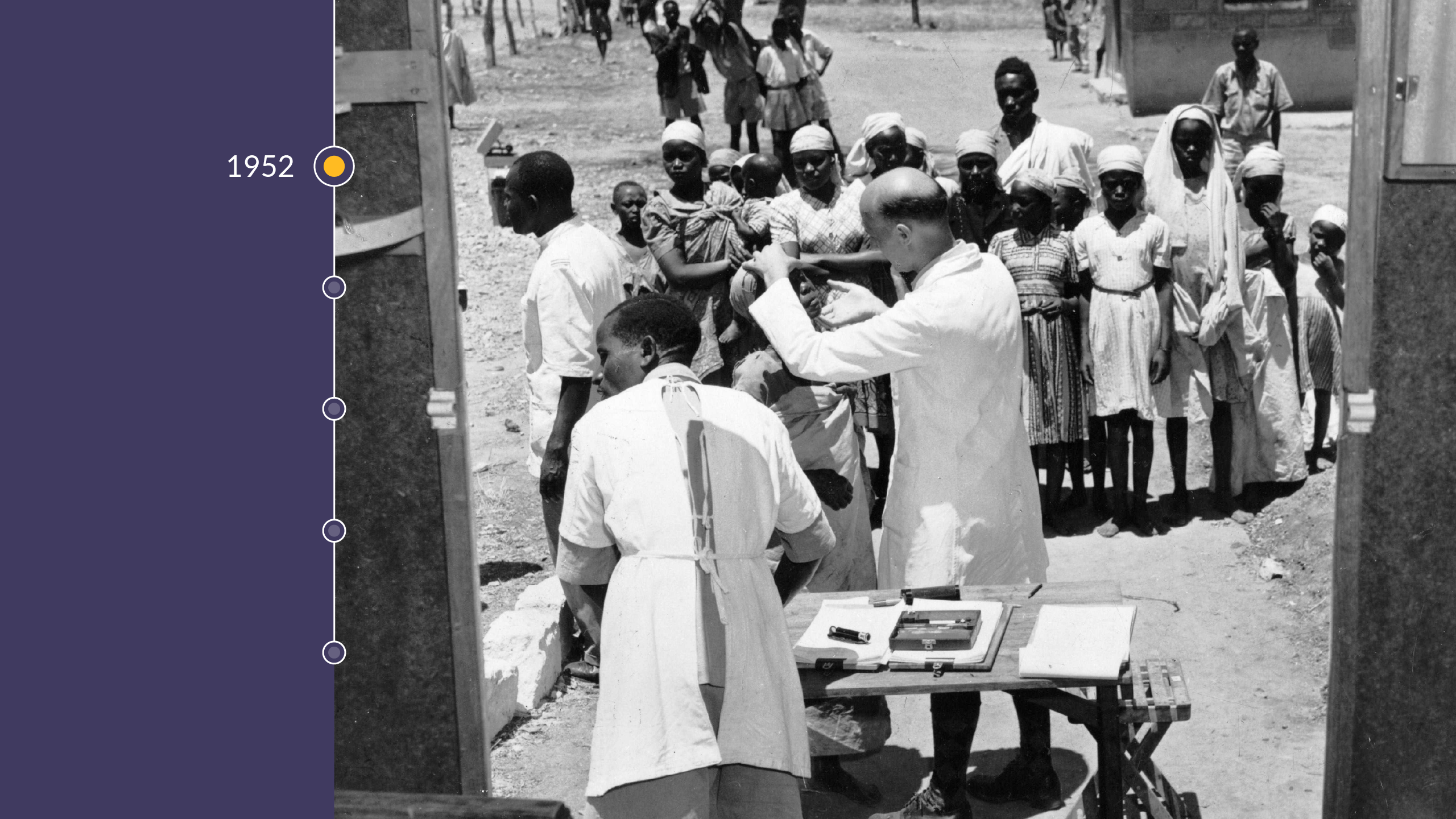





1952
Sightsavers opens its first office in Nairobi. Our early work in Kenya focuses on eliminating avoidable blindness in remote communities across the country.
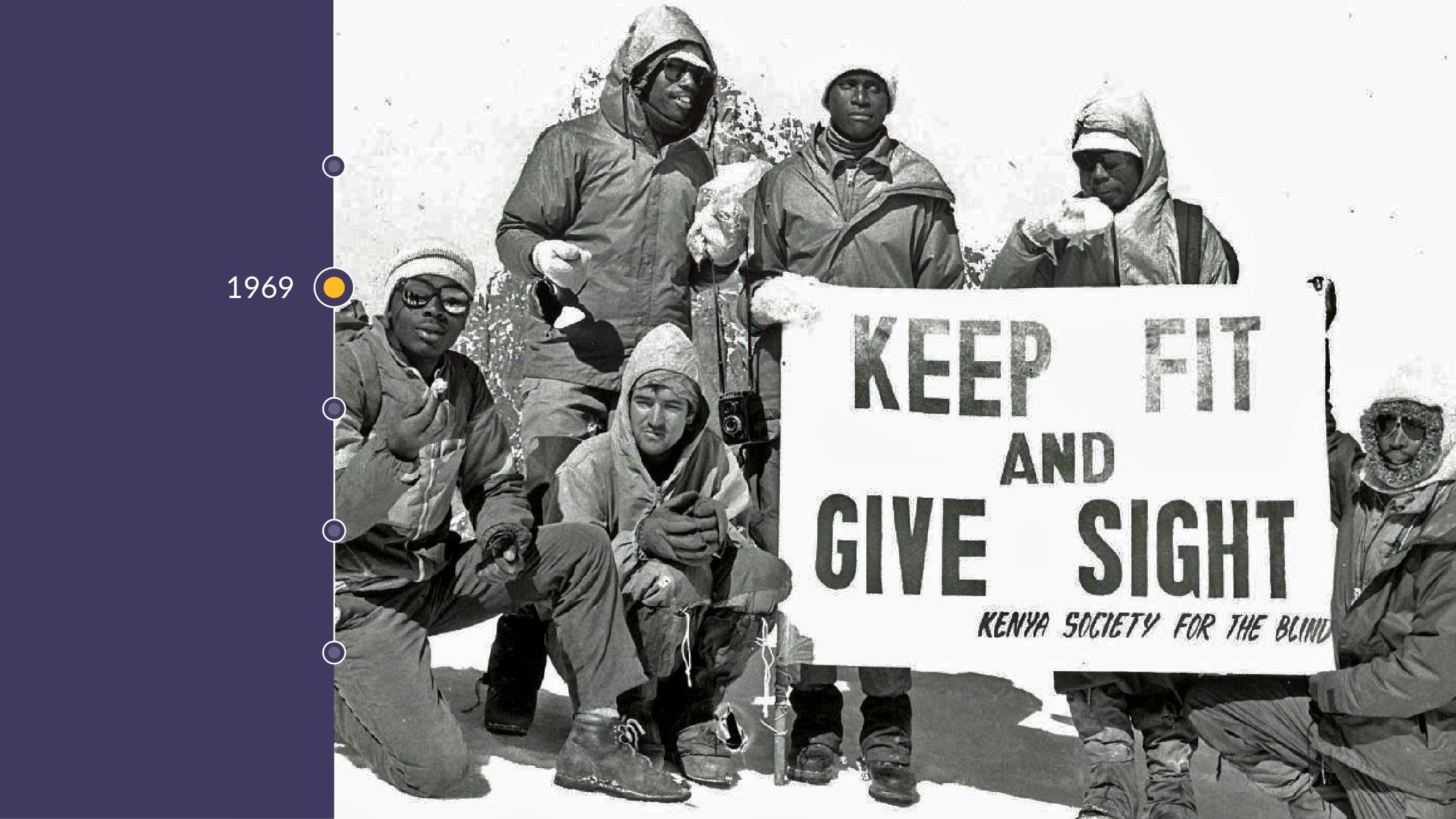
1969
Seven blind men from Kenya, Uganda and Tanzania reach the summit of Mount Kilimanjaro during a ground-breaking Sightsavers expedition. The trip helps to challenge society’s perceptions of disability.
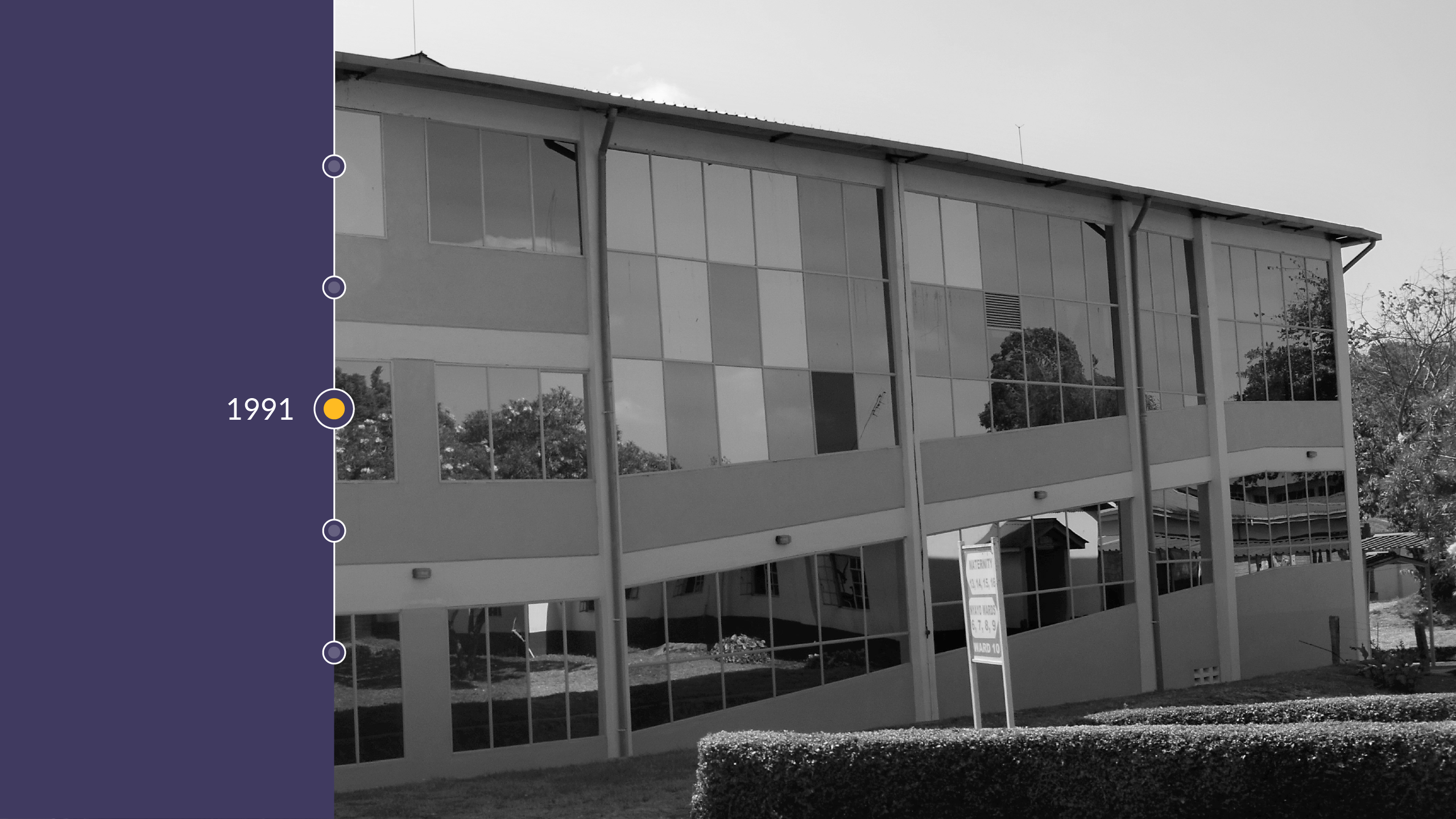
1991
Sightsavers invests in facilities to improve the standard of eye care in Kenya. We help to build the Embu County Hospital eye unit, which becomes a regional hub for eye care. The unit is updated in 2025.
© Embu Hospital
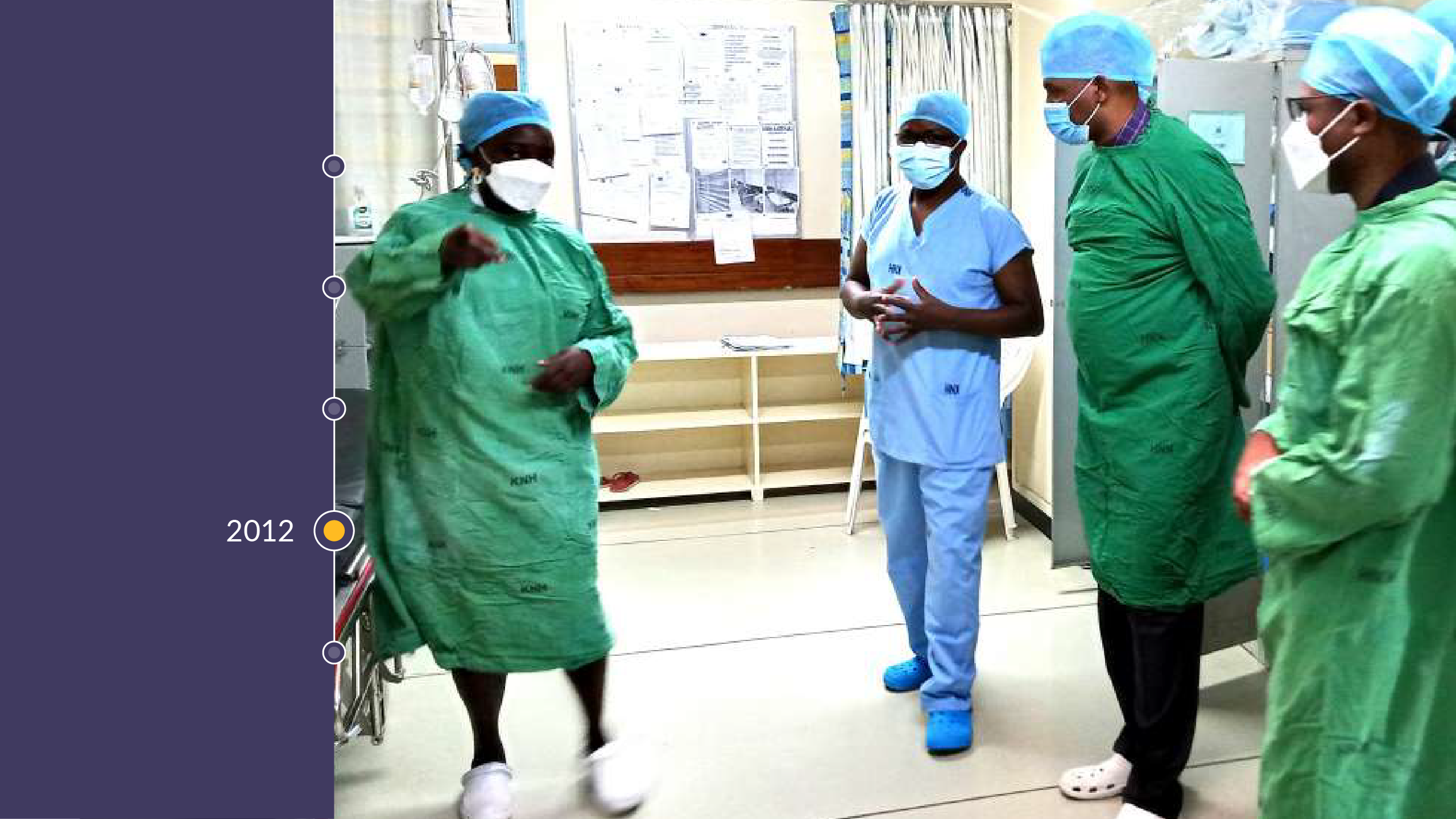
2012
Sightsavers becomes a founding member of the College of Ophthalmology of Eastern, Central and Southern Africa, a medical training school. One of the college’s programmes later trains 144 ophthalmologists in Kenya, Uganda and Tanzania: this extra capacity enables local hospitals to treat thousands more patients.
© Coecsa.org
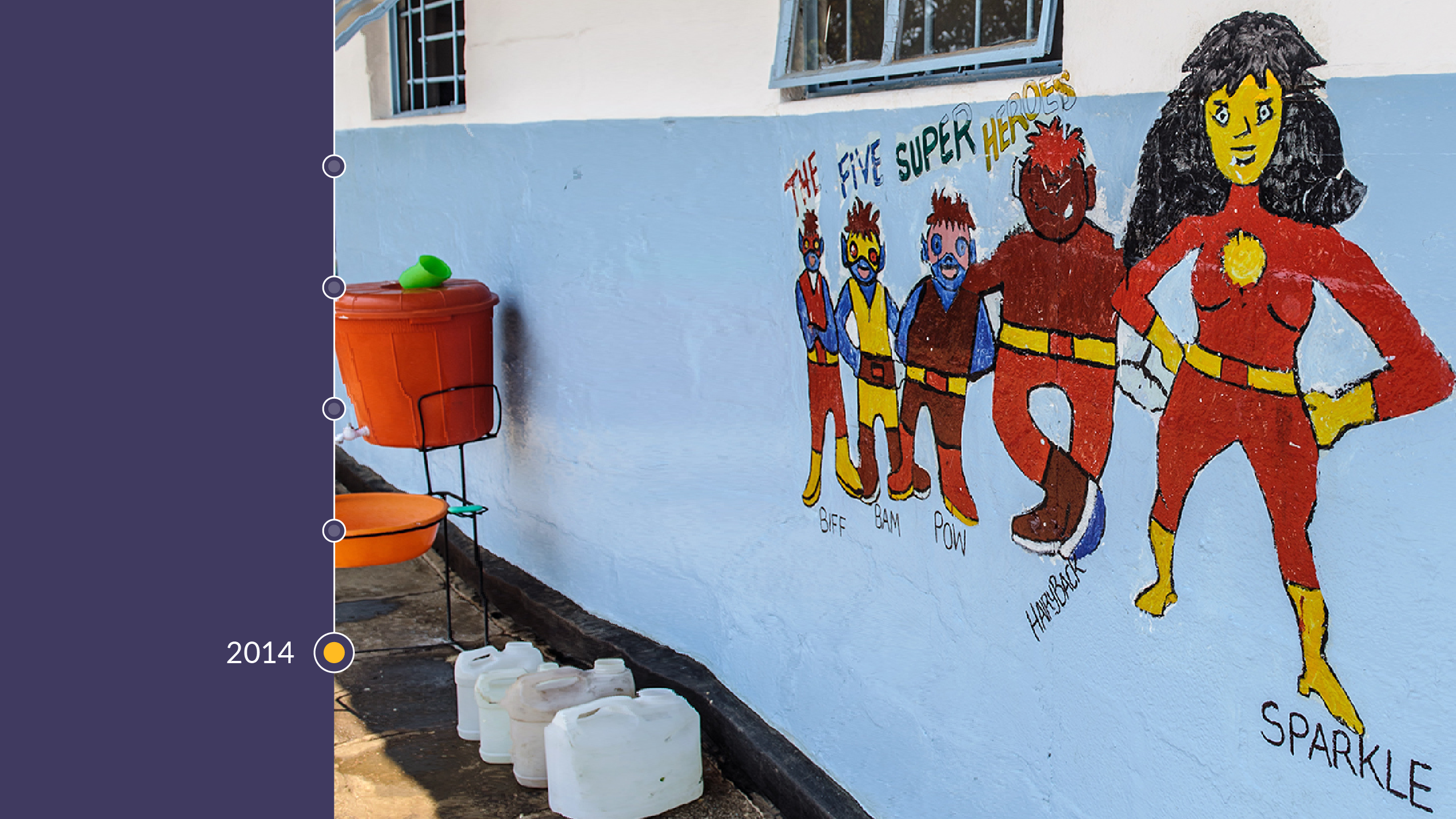
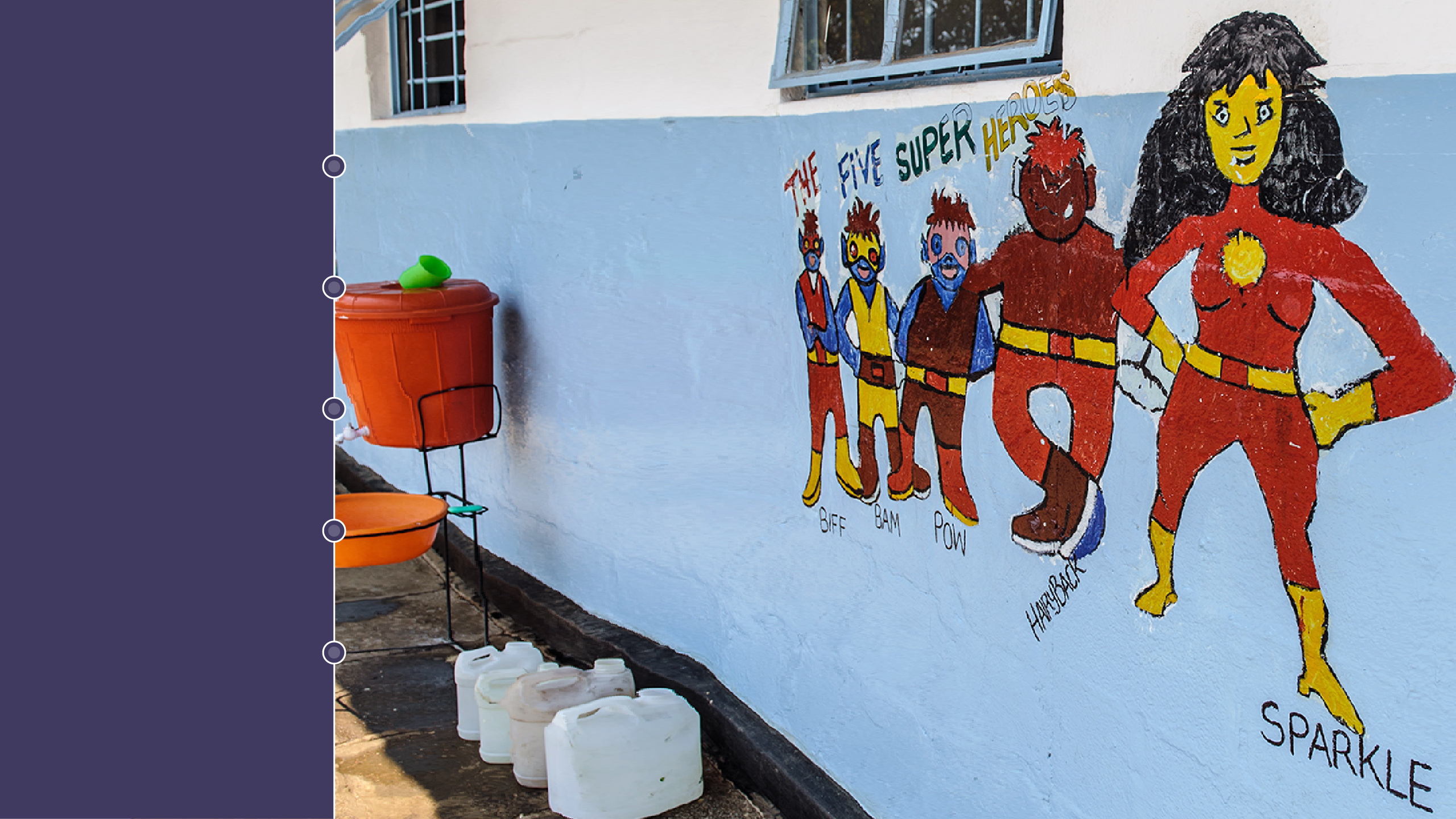
2014
Kenya is the first country to launch the Super School of Five project, which uses superheroes to teach children about hygiene. The aim is to prevent eye diseases such as trachoma. Four years later, a project review finds that face and hand washing has increased by 40 per cent after the programme.

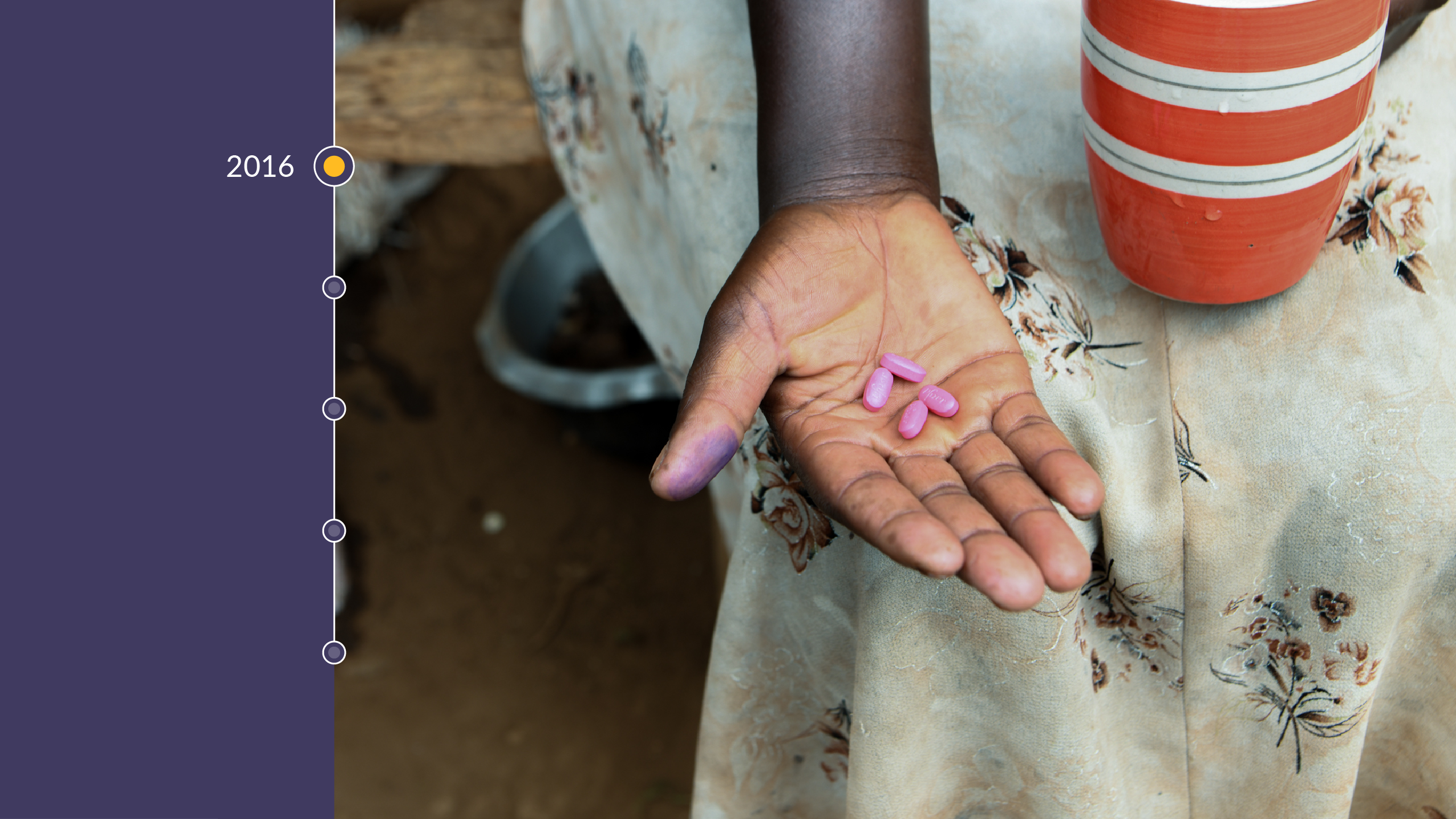





2016
We support the Kenyan national trachoma programme, treating patients and helping to distribute medicine. The programme expands the country’s trachoma team to include nine new surgeons, 18 ophthalmic nurses, three optometrists, 38 assistants and more than 250 community health workers.
2017
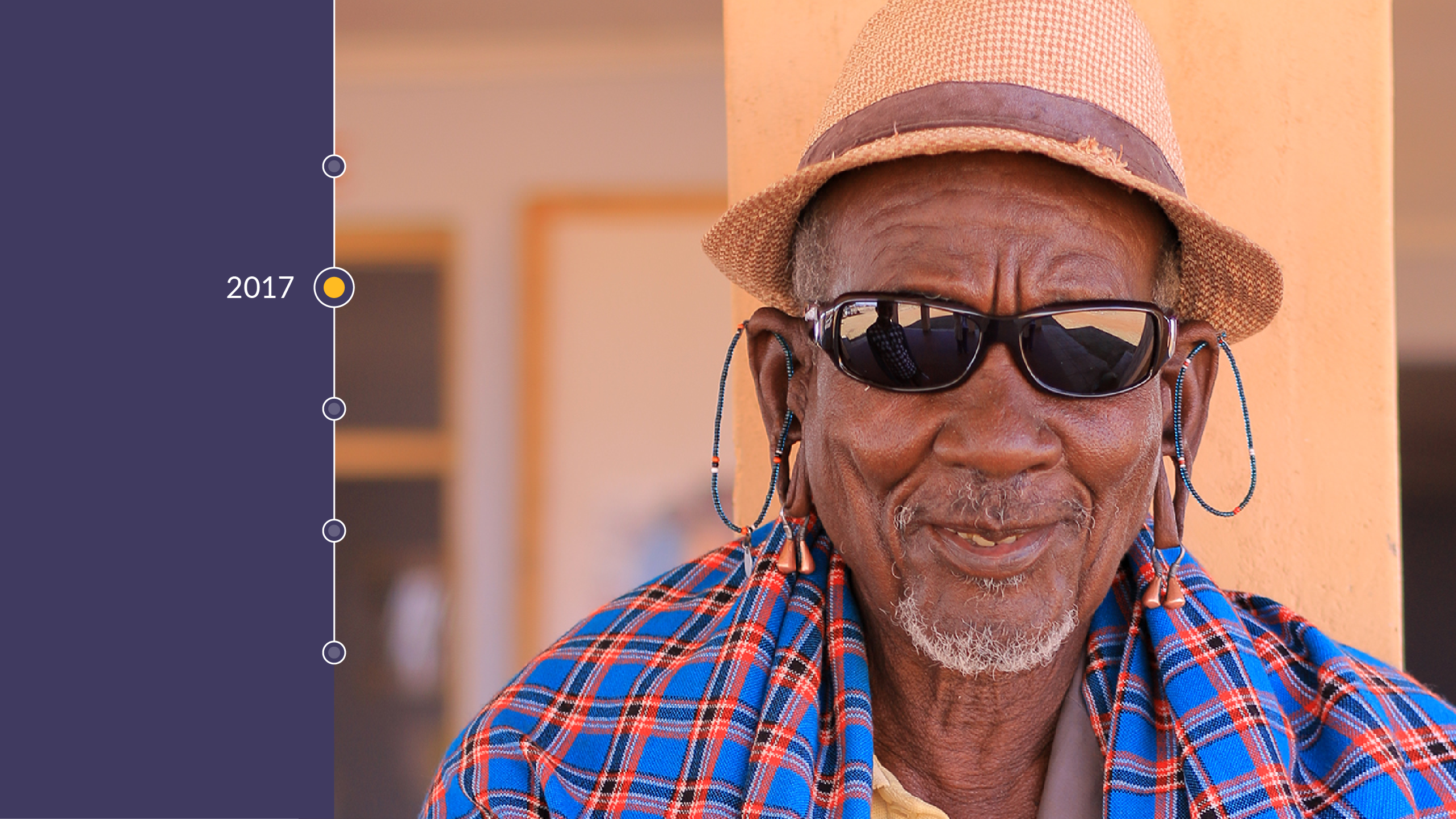
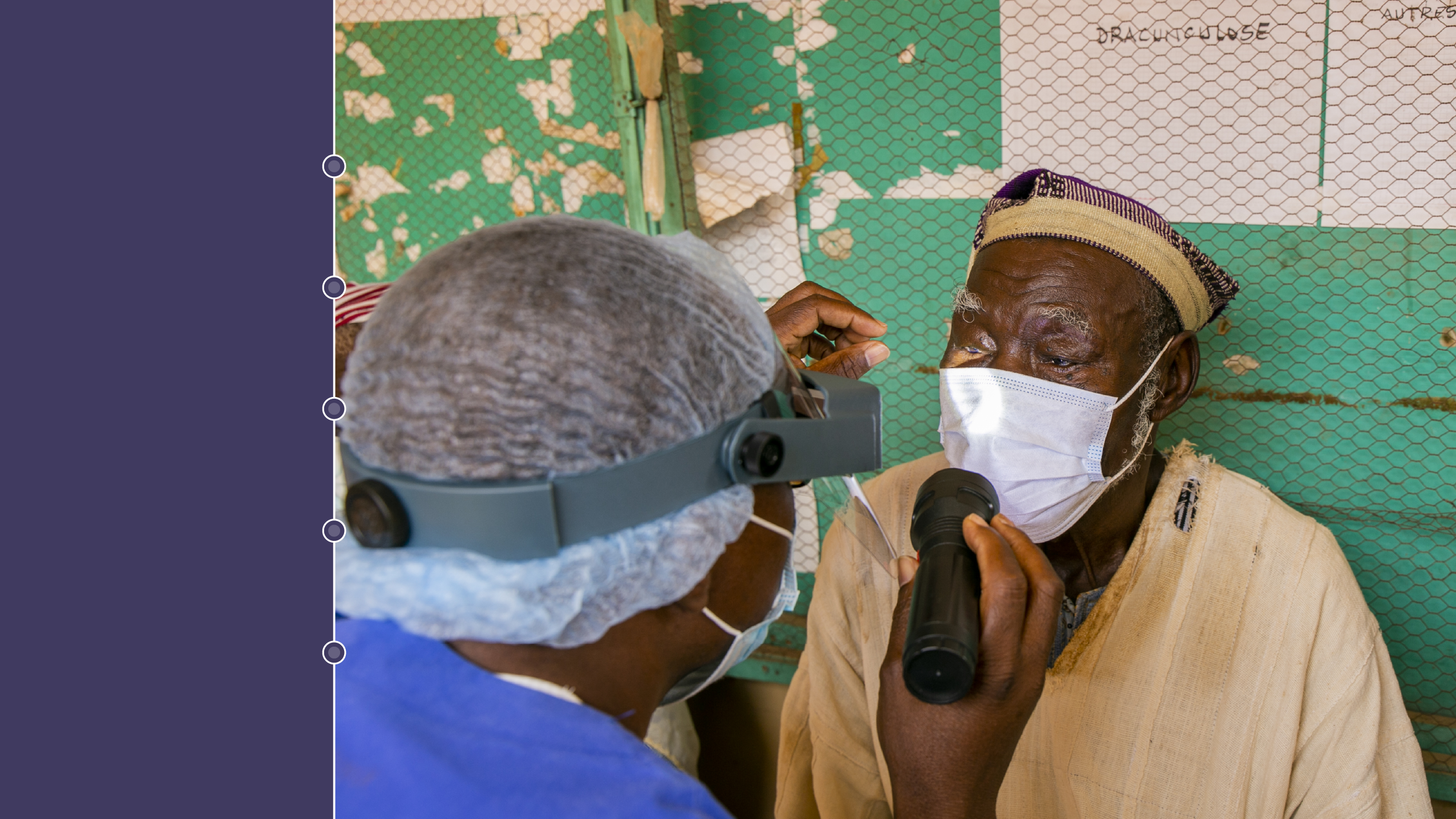
Four grandfathers from Samburu County, including Losiana (pictured), are among hundreds of patients treated for cataracts at a Sightsavers eye camp. The camp is part of Sightsavers’ CATCH programme, which ensures that patients who are examined for trachoma but found to have another eye condition, such as cataracts, are given the treatment they need.
2018
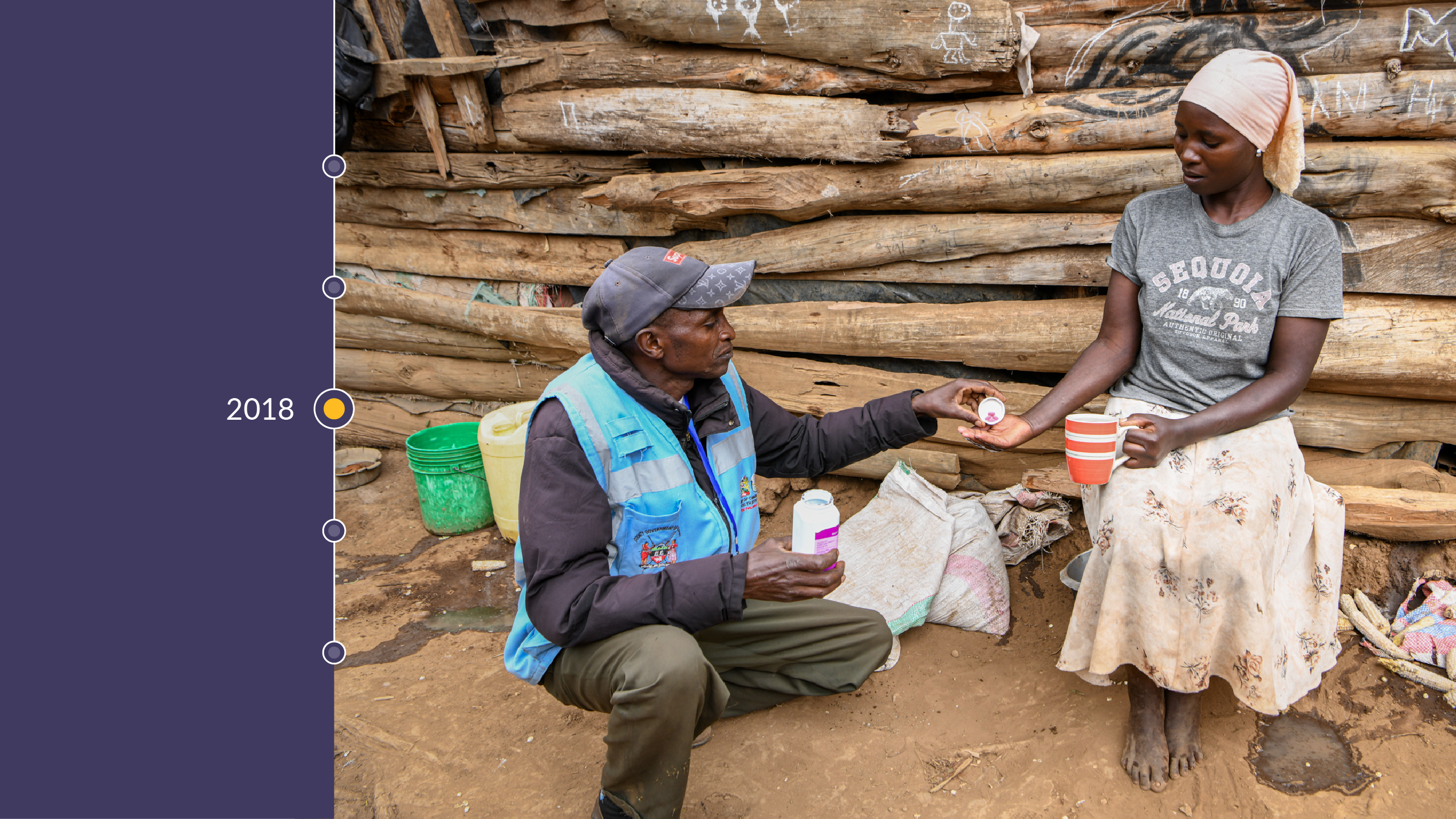
Thousands of local volunteers are trained to give out medication as part of the Accelerate programme to fight blinding trachoma. The volunteers also carry out more than 100 surveys to collect vital data about the disease, enabling Sightsavers to find and treat patients more efficiently.
2019
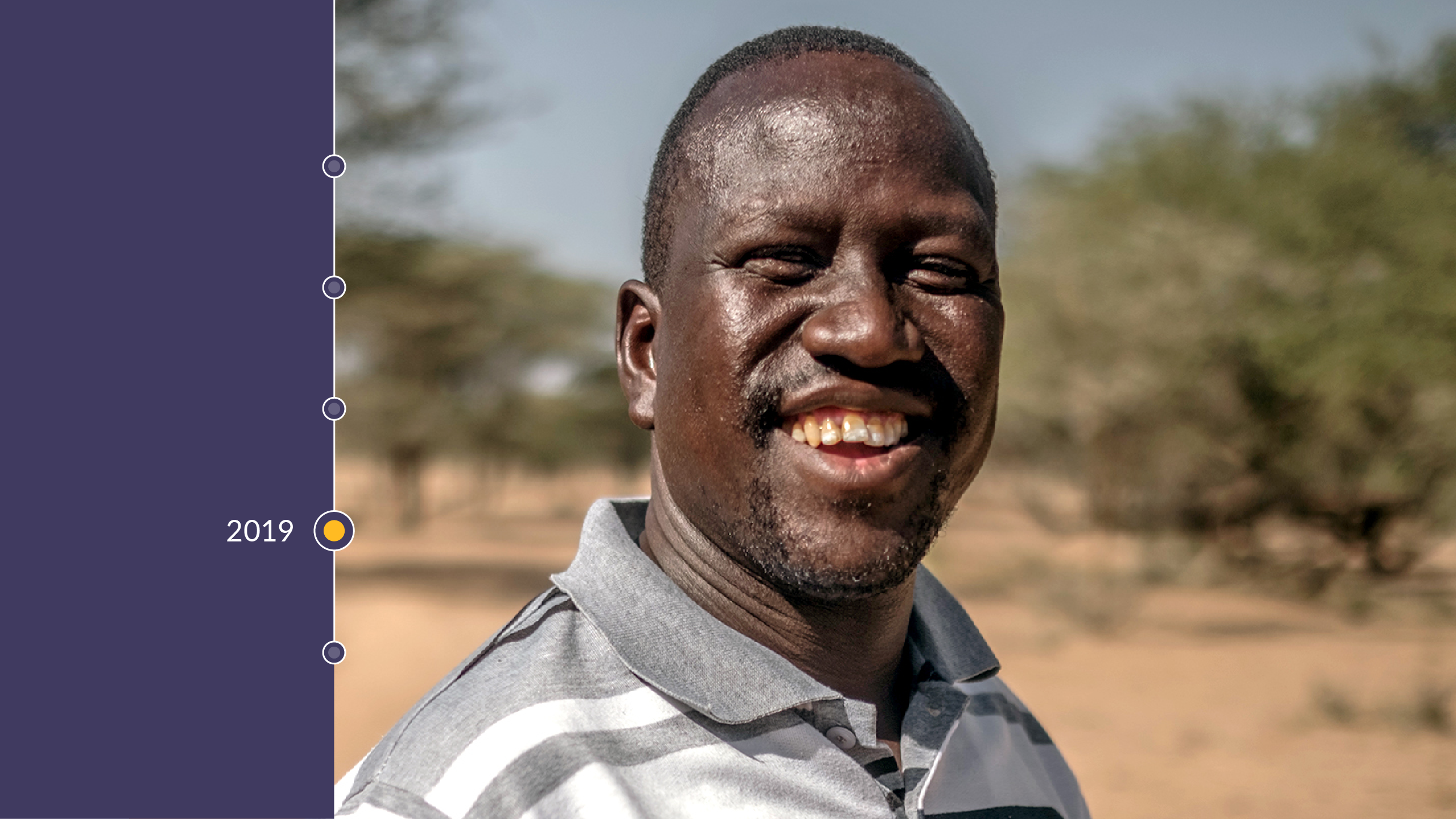
Travelling eye surgeon Samson Lokele, who works for Sightsavers Kenya, features in a new permanent exhibition at the Science Museum in London. It’s the largest medical collection in the world, and will be in place for the next 30 years. The following year, Samson appears in a film for BBC Africa, shared on the first-ever World Neglected Tropical Diseases Day on 30 January.
2020
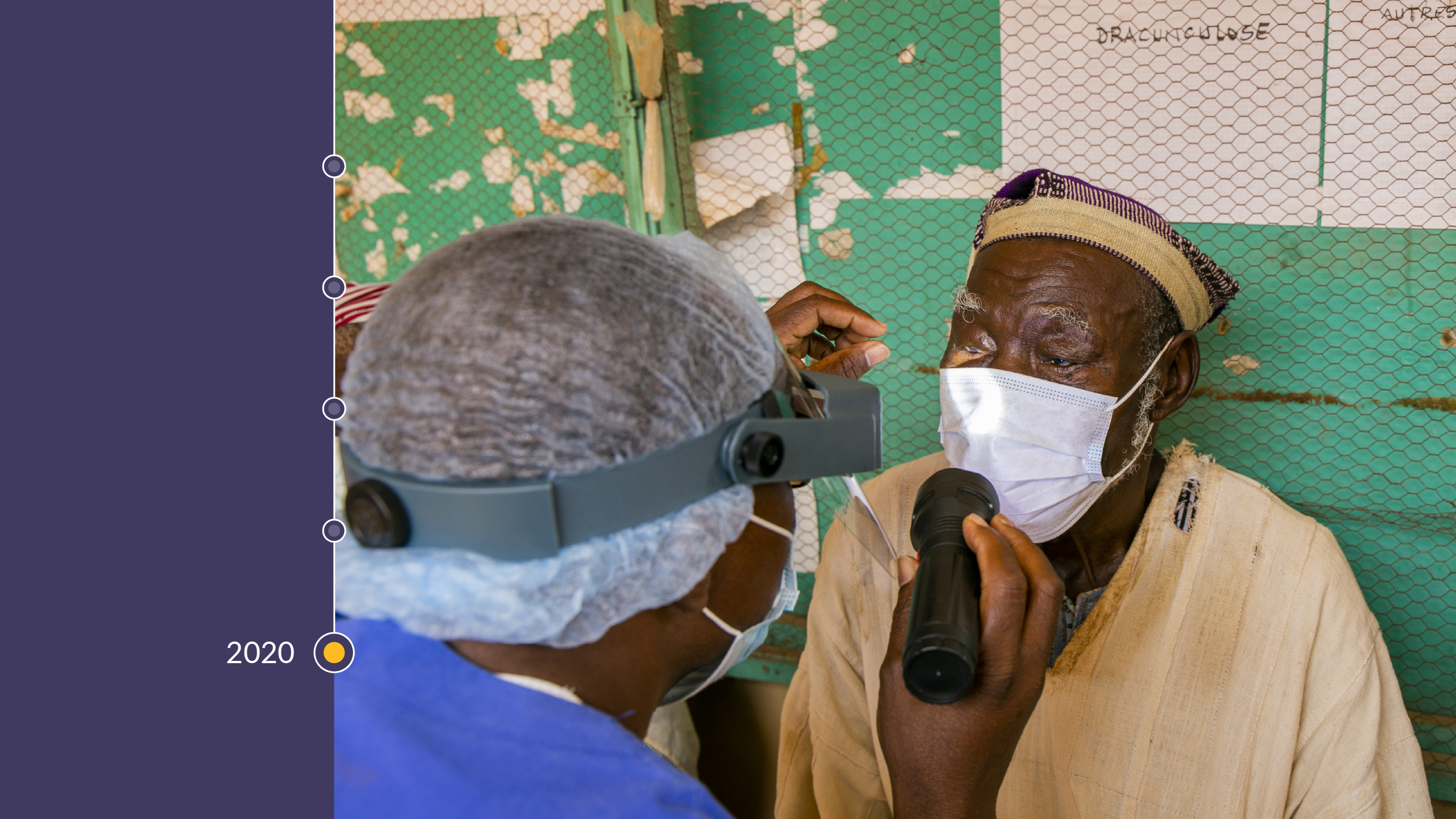
We support Kenya’s Ministry of Health to develop a national eye health plan, making eye care a key part of the country’s health system. The goal is to tackle eye conditions such as cataracts and refractive errors, improve care for patients and boost training for eye care workers.






2021
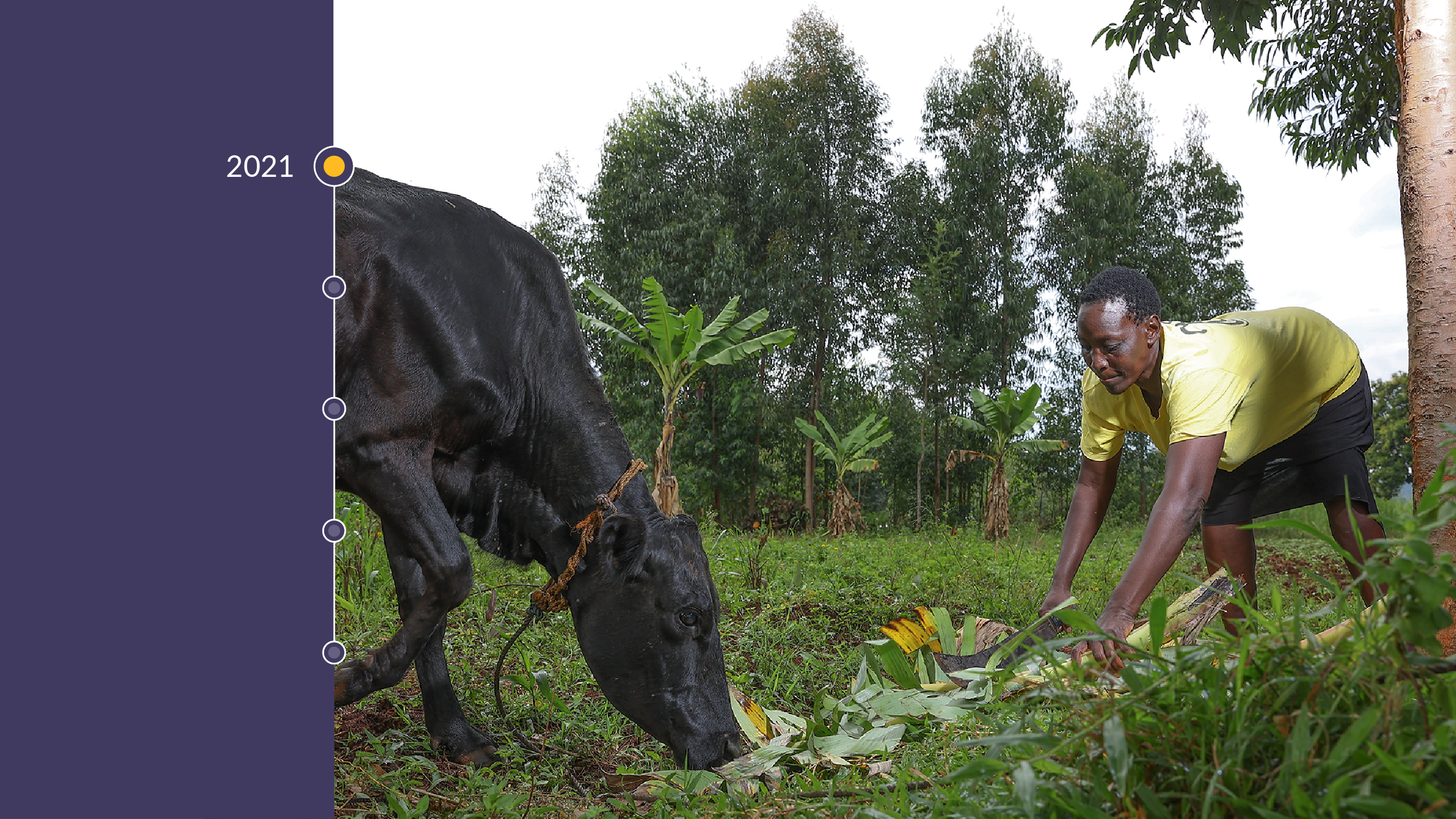
Sightsavers teams up with East Africa Breweries and Coca-Cola Beverages Africa to launch the Global Labor Program, which helps local people with disabilities earn a living. The initiative trains people to farm sorghum, a plant used for brewing, and supports them to make money from their crops. In total, 4,000 farmers have been trained in Kisumu, Homa Bay and Migori, including 900 with disabilities. The project has also helped women with disabilities to start their own businesses selling drinks.
2022
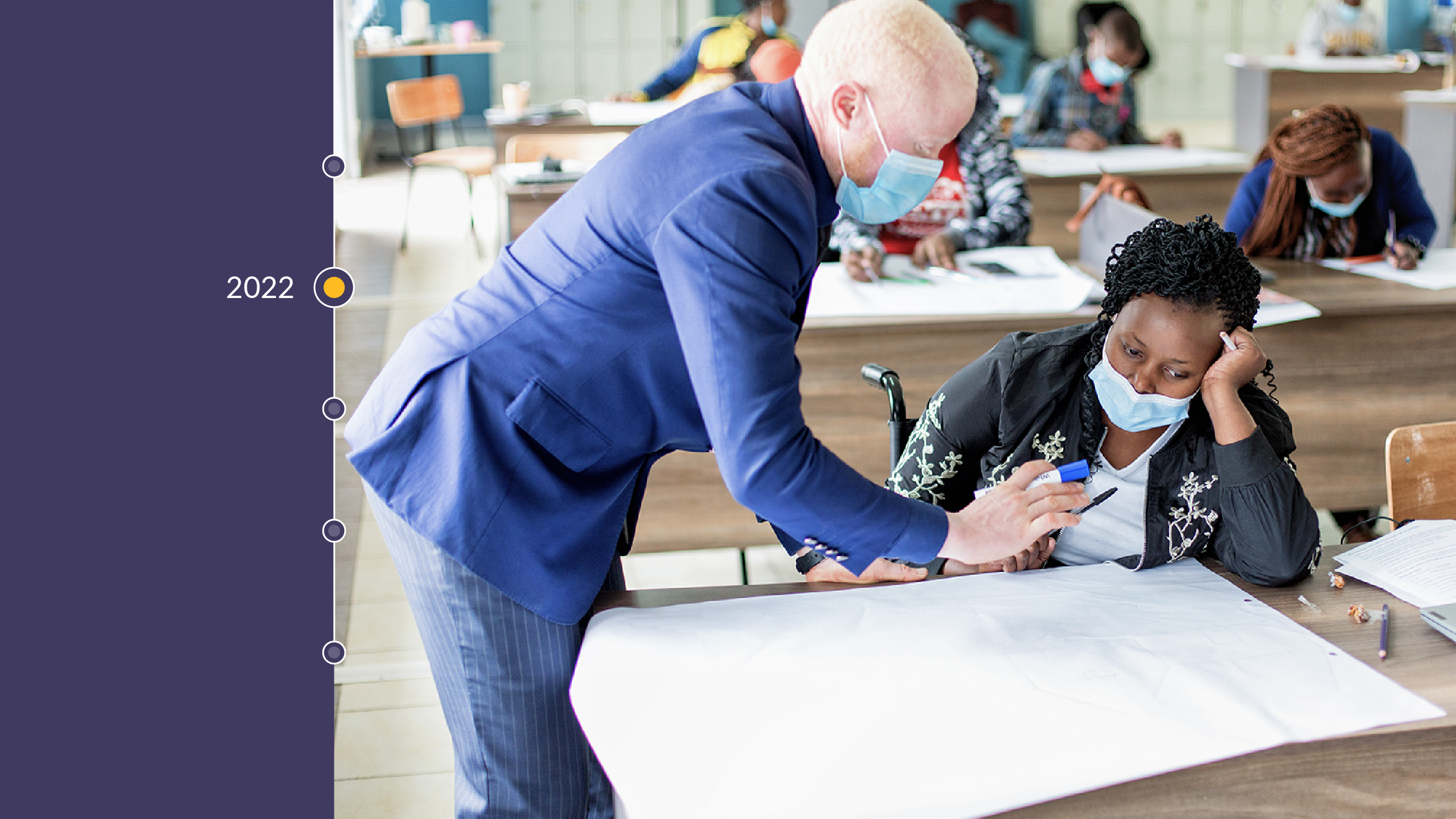
The first students graduate from the IT Bridge Academy, a training initiative exclusively for young people with disabilities. The award-winning academy, which launched in Nairobi supported by Sightsavers, provides IT employment skills training and paid internships with Kenyan companies. Today, graduates work in cyber-security and networking roles.
2023
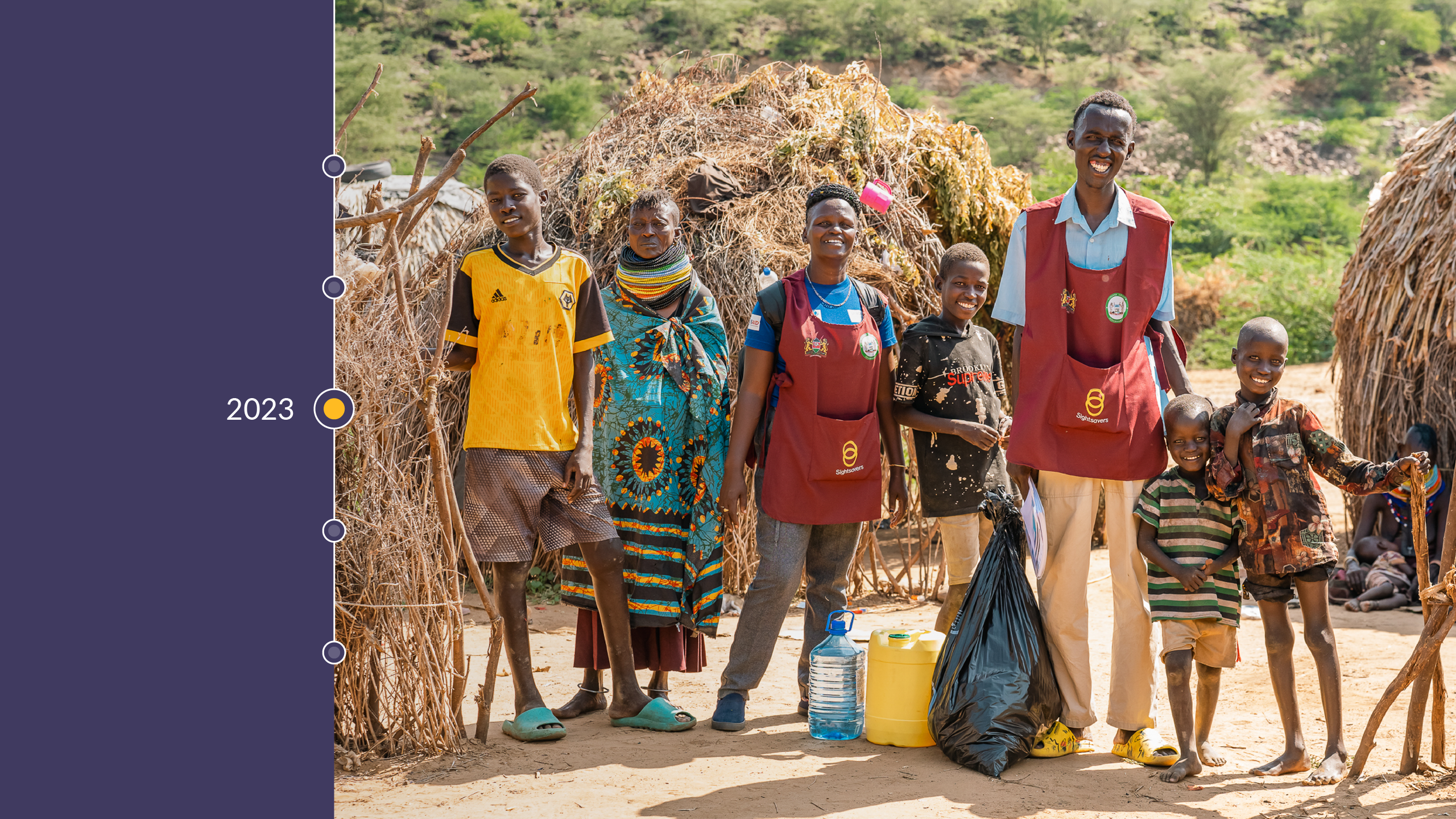
Sightsavers Kenya celebrates its 70th anniversary by reflecting on its transformational impact across the country. Country director Moses Chege says: “I’m immensely proud of the work that has been achieved. Together with the government and other partners, we’ve been able to improve the lives of countless people. But we’re not done yet!”
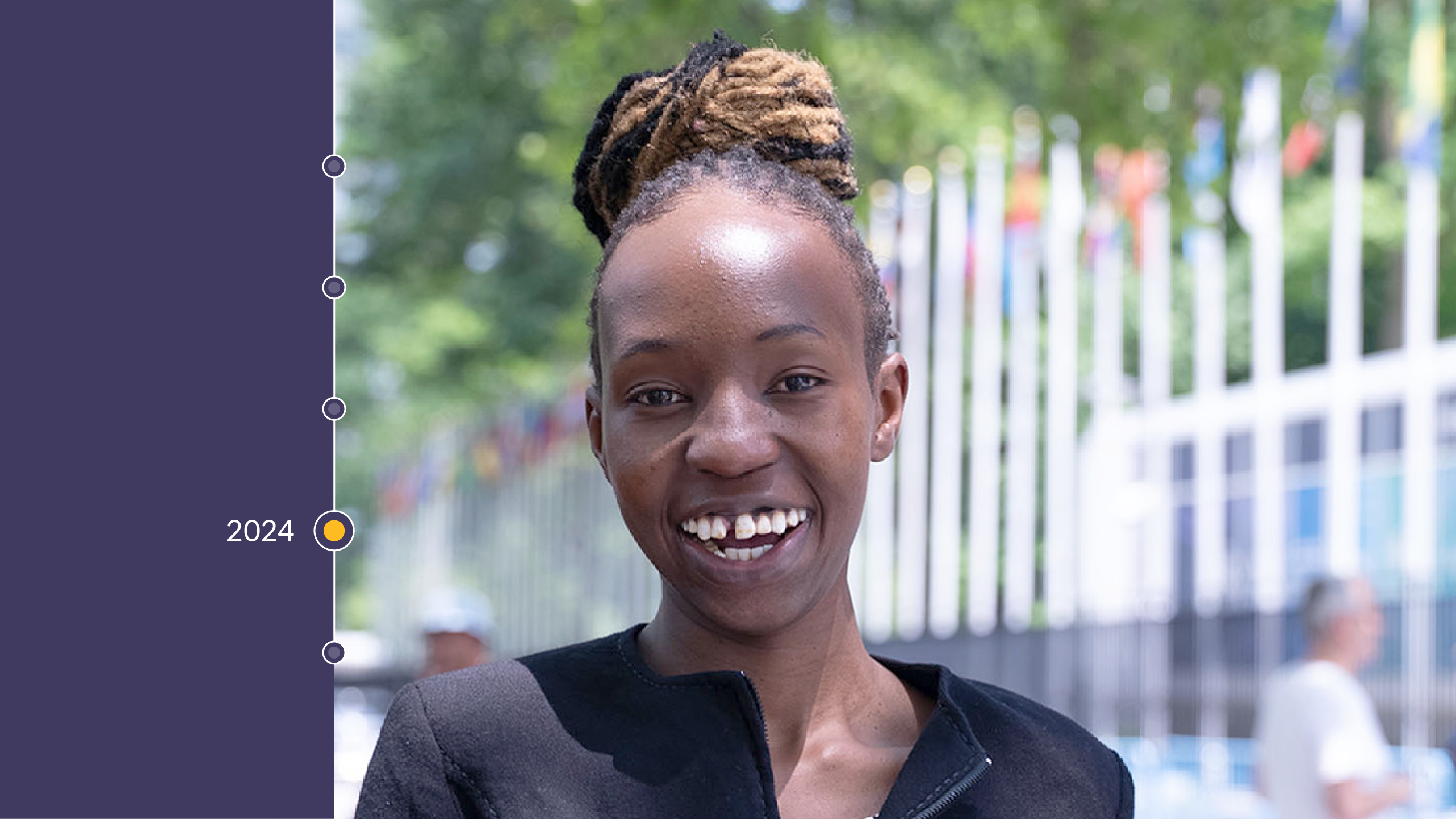
2024
The three-year RISE project starts working with young people and employers in Kenya to create inclusive workplaces, enabling people with disabilities to join the workforce. The project aims to support 2,000 young people to find work. Maryanne (pictured), who has taken part, says: “It empowered me socially and economically. I gained skills and self-confidence, as well as friends and mentors whose support continues to be vital in my career journey.”
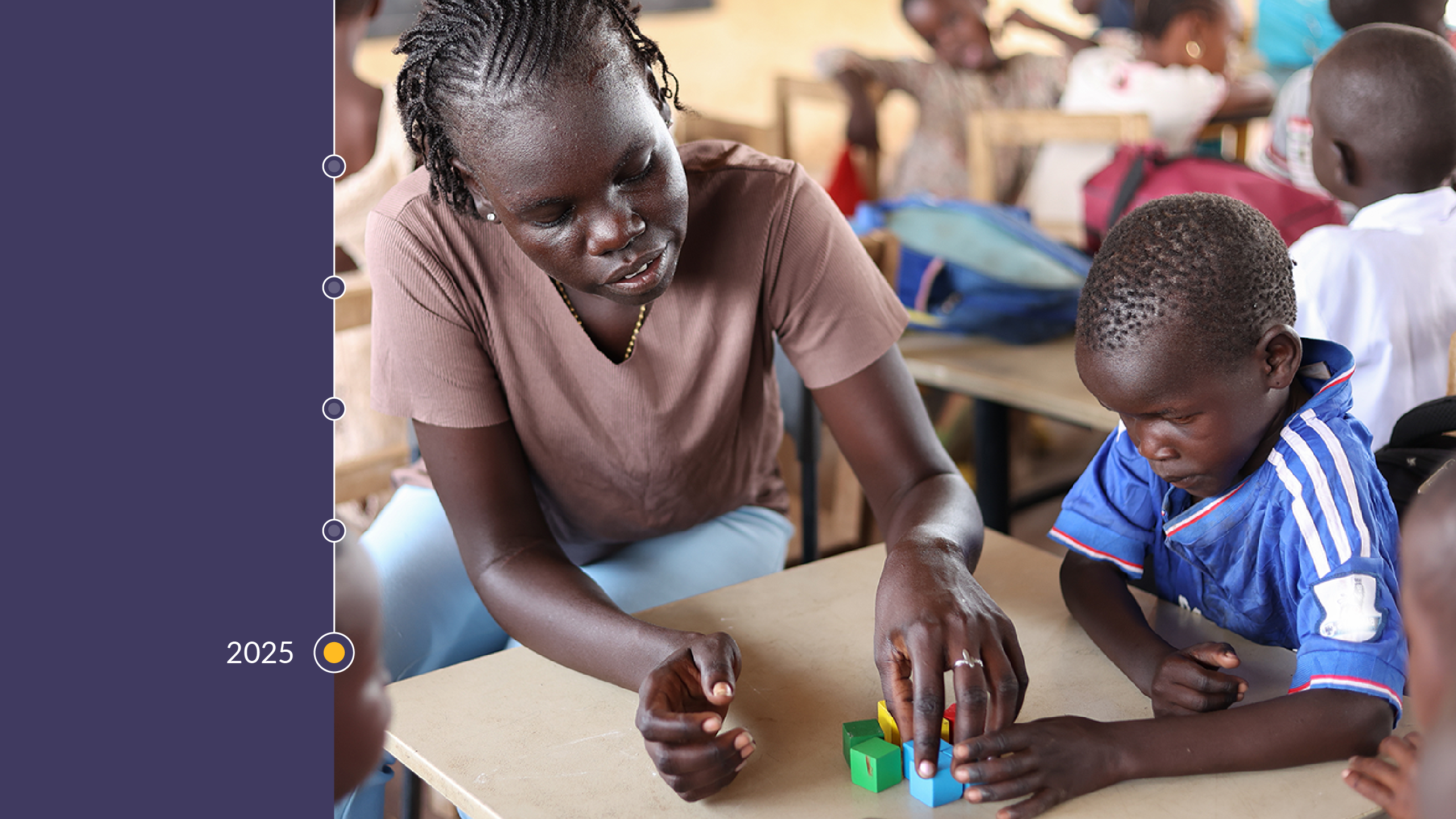
2025
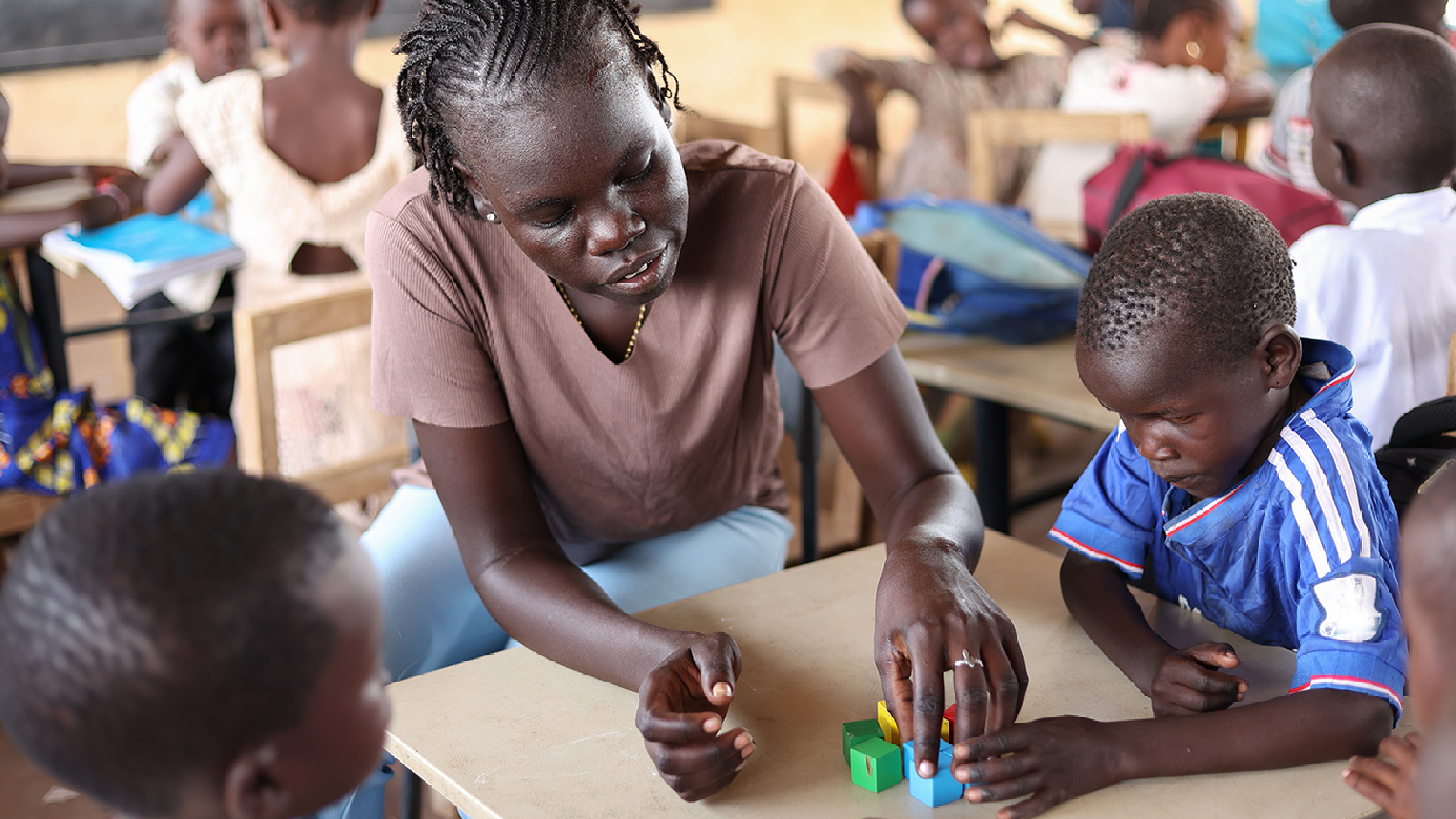
Sightsavers Kenya takes part in the Schools2030 study, helping to improve guidance for teachers to make learning more inclusive for students with disabilities.
Looking to the future
In the coming years, we have so much more we want to achieve. With your support, we can continue to make a difference to thousands of people’s lives, now and into the future.
 Built with Shorthand